Q: Should I choose sod or grass seed for my new lawn?
Both sod and seed can create a beautiful lawn, but the best choice depends on your budget, timeline and goals. Seed costs less upfront and offers more grass varieties, but it takes longer to establish and requires consistent watering for the first few months. Sod costs more and takes more labor to install, but it gives you an instantly green lawn, establishes in just a few weeks and makes it harder for weeds to take over. Whichever you choose, don’t overlook the most important step: proper ground preparation. A well-prepared base gives both seed and sod the best chance for long-term success.
Starting a new lawn usually comes with one big decision: Should you plant grass seed or install sod? There’s no single answer that’s right for every homeowner. Seed and sod both have advantages, and your budget, timeline and expectations can help determine which makes the most sense for your yard.
One thing matters either way: proper ground preparation. Taking the time to prepare the soil correctly before planting seed or laying sod can make a significant difference in how successfully your new lawn becomes established.
When Grass Seed Makes Sense
For homeowners watching their budget, seed has an obvious advantage: a lower upfront cost. Seed also gives you more grass species and varieties to choose from and is generally more readily available. Planting seed requires less physical labor than installing rolls of sod, making it an attractive option for larger areas or homeowners planning to do the work themselves.The tradeoff is time and maintenance. Grass seed generally takes about 7 to 14 days to germinate and will require greater watering for approximately the first two to four months as the lawn becomes fully established.
Newly seeded lawns are also more vulnerable to Mother Nature. Frost, wind, excessive heat and heavy rain can all affect germination and establishment. Weeds have more opportunity to take over while the grass is developing, too. And wildlife may appreciate your newly seeded lawn almost as much as you do. Animals may eat the seed, while larger four-legged visitors can leave tracks across the freshly prepared ground.
Why Choose Sod?
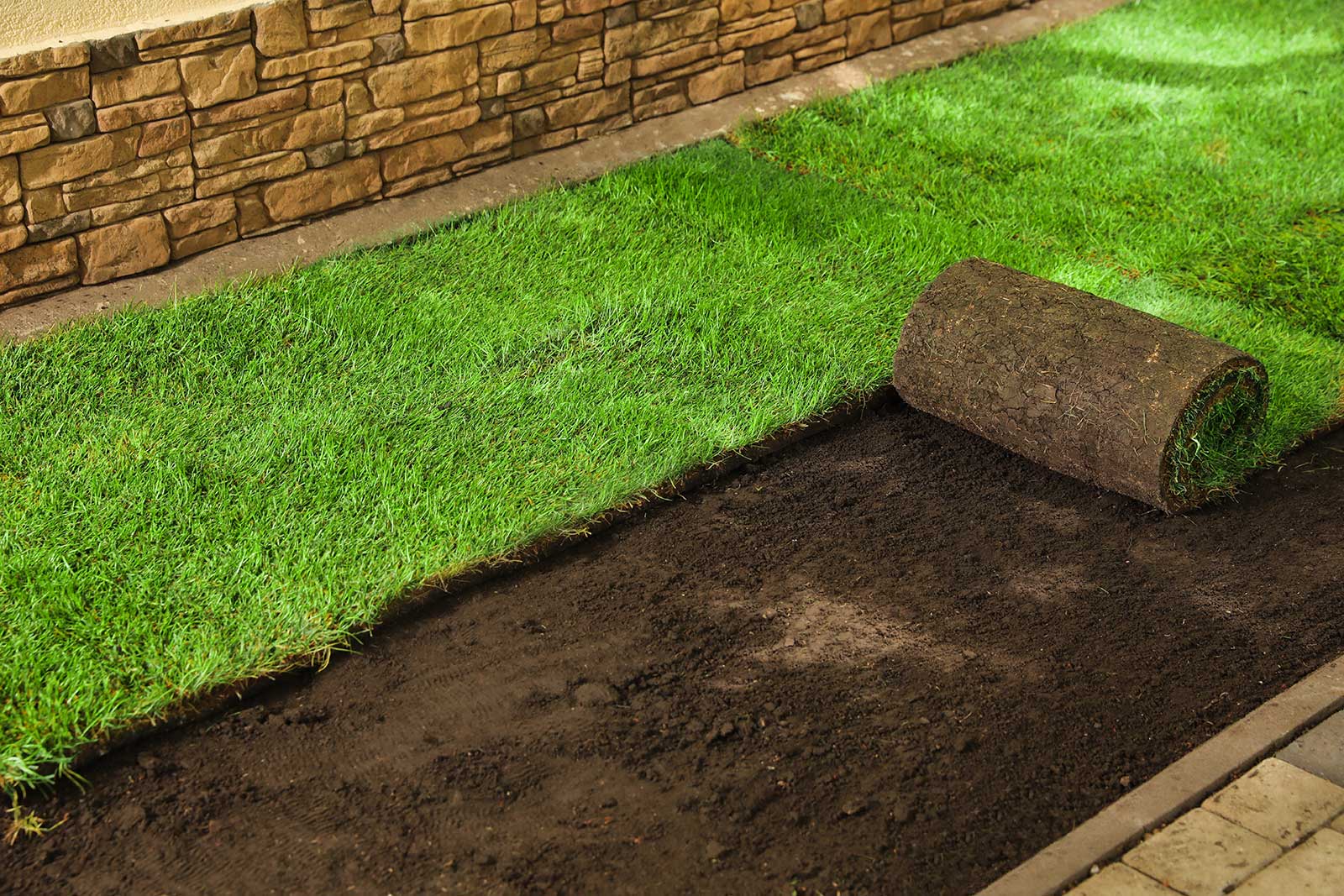
The biggest advantage of sod is obvious as soon as it’s installed: you have a green yard immediately. Sod also establishes much faster than seed, generally requiring greater watering for about the first two to three weeks. Once it’s established, the lawn can be used sooner than a newly seeded yard. A properly prepared and sodded lawn also makes it more difficult for weeds to take over.
Another advantage is the installation season. Sod can generally be installed from early spring through late fall as long as the ground isn’t frozen. There are tradeoffs, though. Sod has a higher upfront cost, including the cost of the product itself and potentially delivery. Picking it up yourself can still involve additional time and fuel expenses. Installation is also more physically demanding than planting seed, and sod is a perishable product. Once you have it, it needs to be installed in a timely manner, particularly during hot weather.
Homeowners may also have fewer grass varieties to choose from, and availability can sometimes be an issue because producers only have a certain amount of sod available each year.
Seed vs. Sod at a Glance
Seed
Sod
Upfront cost
Lower
Higher
Grass varieties
More choices
Fewer choices
Availability
Generally readily available
Can be limited
Installation
Less physical labor
More physical labor
Initial establishment
Longer
Faster
Increased watering
About 2–4 months
About 2–3 weeks
Immediate green lawn
No
Yes
Weed competition
Greater risk
More difficult for weeds to take over
Weather sensitivity
Greater during establishment
Less establishment time
When it can be installed
More weather-dependent
Early spring through late fall if ground isn’t frozen
So, Which One Should You Choose?
Think about what’s most important to you. If keeping the initial cost down and having more grass varieties to choose from are priorities, seed may be the better fit. If you’re willing to spend more upfront for faster establishment and an instantly green yard, sod may be worth the additional investment. Neither option eliminates the work required to establish and maintain a healthy lawn. And neither can make up for poor preparation underneath it.
Ultimately, seed and sod both have pros and cons. Every homeowner’s goals and budget are different, so rather than thinking of one as the “cheap option” and the other as the “expensive option,” think of either one as an investment in establishing a lawn you’ll enjoy for years to come.